
Safety Excellence - TMT Group
Safety First, Always - Our Unwavering Commitment
At TMT Group, safety is not just a priority—it’s a core value that guides every decision, action, and project we undertake. We believe that every worker has the right to return home safely at the end of each day, and we are committed to providing a safe working environment through comprehensive safety programs, rigorous training, and a culture of safety accountability. Our industry-leading safety performance reflects our dedication to protecting our most valuable asset: our people.
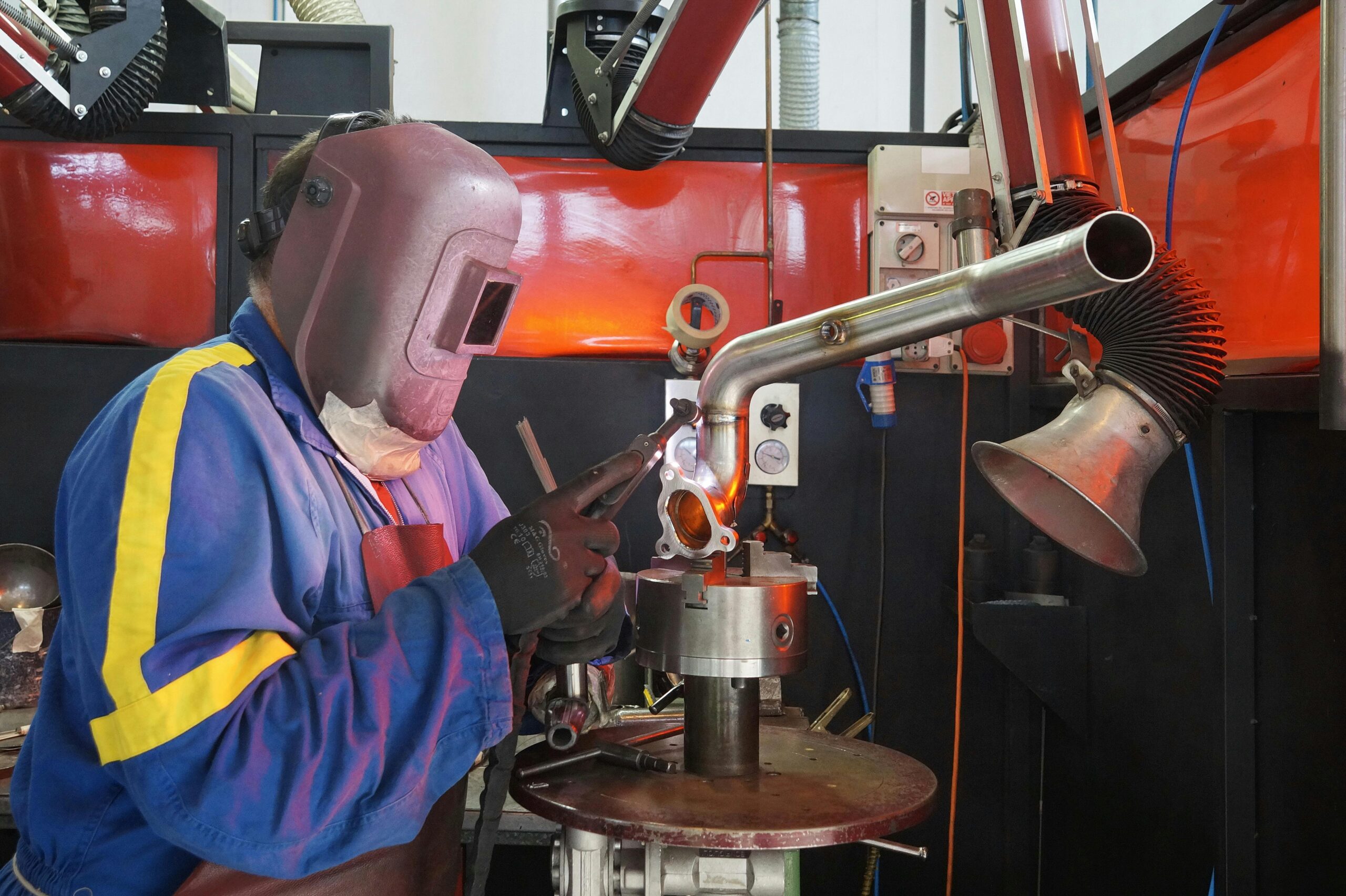
Our Safety Philosophy
Zero-Harm Goal
TMT Group operates with a clear goal: zero harm to people, environment, and assets. This ambitious goal drives continuous improvement in our safety systems, procedures, and culture. While we recognize that achieving absolute zero is challenging, this goal keeps safety at the forefront of everything we do.
Zero-Harm Principles
- All accidents are preventable
- Safety is everyone's responsibility
- Proactive hazard identification and control
- Continuous learning from incidents and near-misses
- Leading indicators focus, not just lagging indicators
- Empowerment to stop unsafe work
- Recognition and rewards for safe behavior
Safety Culture
Our safety culture is built on several foundational elements
Leadership Commitment
- Management visible safety leadership
- Safety performance as key leadership metric
- Resource allocation prioritizing safety
- "Walk the talk" safety commitment
- Safety agenda in all management meetings
Employee Engagement
- Worker participation in safety programs
- Safety suggestion systems
- Safety committees and representatives
- Open reporting without fear of reprisal
- Recognition of safety champions
Continuous Improvement
- Learning from incidents and near-misses
- Regular safety audits and inspections
- Benchmarking against industry best practices
- Technology adoption for safety improvement
- Feedback loops and action tracking
Safety Management System
Regulatory Compliance
International Standards and Regulations
- ISO 45001 Occupational Health and Safety Management Systems
- OHSAS 18001 (legacy standard)
- SOLAS (Safety of Life at Sea) requirements
- ISM Code (International Safety Management)
- Flag state and port state regulations
- Classification society safety requirements
Safety Policy and Objectives
TMT Group Safety Policy
- Our safety policy commits to:
- Providing safe and healthy working conditions
- Eliminating hazards and reducing OH&S risks
- Consultation and participation of workers
- Continual improvement of the OH&S management system
Hazard Identification and Risk Assessment
Job Hazard Analysis (JHA)
Comprehensive JHA Process
- Task breakdown into individual steps
- Hazard identification for each step
- Risk assessment (likelihood and consequence)
- Control measures specification
- Residual risk evaluation
- JHA review and approval before work begins
Common Maritime Hazards Addressed
- Working at heights and fall hazards
- Confined space entry risks
- Hot work (welding, cutting, grinding)
- Electrical hazards and shock risks
- Mechanical hazards from equipment and machinery
- Chemical exposure and toxic atmospheres
- Noise exposure and hearing damage
- Ergonomic hazards and manual handling
- Slips, trips, and falls
Risk Control Hierarchy
TMT Group applies the hierarchy of controls to eliminate or minimize risks
- Elimination :
- Substitution :
- Engineering Controls :
- Administrative Controls :
- Personal Protective Equipment (PPE) :
- Remove the hazard entirely (preferred)
- Replace with less hazardous alternative
- Isolate people from hazard
- Change work practices
- Last line of defense
Safety Training and Competency
Mandatory Safety Training
General Safety Induction
- Company safety policy and expectations
- Hazard recognition and reporting
- Emergency procedures and evacuation
- Personal protective equipment requirements
- Incident reporting procedures
- Environmental protection
TMSTI Safety Training Integration
- All TMSTI graduates receive comprehensive safety training
- Basic safety awareness
- Trade-specific safety requirements
- Confined space entry training
- Working at heights certification
- Hot work safety procedures
Specialized Safety Certifications
Offshore and Marine Specific
- BOSIET (Basic Offshore Safety Induction and Emergency Training)
- HUET (Helicopter Underwater Escape Training)
- Sea survival and emergency procedures
- STCW (Standards of Training, Certification and Watchkeeping) where applicable
- H2S awareness and response (offshore oil and gas)
- Offshore crane operations safety
Trade Specific Safety
- Welding and hot work safety
- Rigging and lifting safety
- Confined space entry supervisor and entrant
- Working at heights and fall protection
- Scaffolding erection and inspection
- Electrical safety and authorized person
Permit-to-Work Systems
TMT Group applies the hierarchy of controls to eliminate or minimize risks
Types of Work Permits
Hot Work Permits
- Welding, cutting, and grinding operations
- Fire watch requirements
- Fire extinguisher placement
- Flammable material clearance
- Gas-free certificate verification
- Spark/slag containment measures
- Post-work fire watch duration
Confined Space Entry Permits
- Atmospheric testing requirements (O2, LEL, H2S, CO)
- Ventilation specifications
- Entry supervisor and attendant assignment
- Communication systems
- Emergency rescue equipment
- Entry and exit logging
Working at Heights Permits
- Fall protection system requirements
- Guardrails or personal fall arrest systems
- Ladder and scaffold inspection
- Tool tethering requirements
- Dropped object prevention
- Weather condition assessment
Electrical Work Permits
- Lockout/tagout verification
- Testing for dead circuits
- Personal protective equipment requirements
- Authorized personnel verification
- Emergency response readiness
- Arc flash risk assessment
Lifting and Rigging Permits
- Lift plan review and approval
- Equipment inspection verification
- Qualified rigger and signal person
- Load weight and center of gravity
- Exclusion zone establishment
- Weather conditions assessment
Personal Protective Equipment (PPE)
Minimum PPE Requirements
Basic PPE for All Personnel
- Safety helmet (hard hat) with chin strap
- Safety footwear with steel toe and sole protection
- High-visibility vest or coveralls
- Safety glasses with side shields
- Hearing protection in designated areas
- Work gloves appropriate to task
Task-Specific PPE
Welding and Hot Work
- Welding helmet with appropriate shade lens
- Flame-resistant clothing
- Leather welding gloves and apron
- Leather safety boots
- Respiratory protection where required
Confined Space Entry
- Full-body safety harness
- Self-contained breathing apparatus (SCBA) or airline respirator
- Intrinsically safe lighting and equipment
- Two-way communication equipment
- Emergency escape breathing device
Working at Heights
- Full-body harness with shock-absorbing lanyard
- Helmet with chin strap
- Non-slip safety footwear
- Tool tethers and lanyards
- Rescue equipment nearby
Electrical Work
- Arc flash rated clothing
- Insulated tools
- Voltage-rated gloves
- Face shield with arc rating
- Flame-resistant clothing
Emergency Preparedness and Response
Emergency Response Plans
Emergency Scenarios Covered
- Fire and explosion
- Man overboard (vessel operations)
- Medical emergencies and injuries
- Chemical spills and releases
- Confined space rescue
- Electrical shock and electrocution
Emergency Response Organization
- Emergency response coordinator
- Fire brigade members
- First aid responders
- Evacuation wardens
- Communication coordinators
- External emergency service liaison
Emergency Equipment and Facilities
Emergency Response Equipment
- Fire extinguishers (appropriate types and locations)
- Fire hose stations and hydrants
- Emergency showers and eyewash stations
- First aid kits and automated external defibrillators (AED)
- Rescue equipment (tripods, winches, stretchers)
- Emergency communication systems
Emergency Facilities
- Designated muster points
- First aid rooms or medical facilities
- Emergency command centers
- Helicopter landing areas (offshore)
- Lifeboat and rescue craft (vessels)
Emergency Drills and Exercises
- Monthly fire drills and evacuation exercises
- Quarterly confined space rescue drills
- Semi-annual man overboard drills (vessels)
- Annual full-scale emergency response exercise
- Lessons learned and improvement actions
- Drill participation records
Safety Performance Monitoring
Safety Metrics and KPIs
Lagging Indicators
- Total Recordable Injury Rate (TRIR)
- Lost Time Injury Frequency Rate (LTIFR)
- Lost Time Injury Severity Rate (LTISR)
- Fatality rate (target: zero)
- Medical treatment injury rate
- First aid injury rate
- Property damage incidents
Leading Indicators
- Safety observations and inspections completed
- Near miss reporting rate
- Hazard identification and closure rate
- Safety training hours and compliance
- Safety meeting attendance
- Permit-to-work compliance rate
- PPE compliance rate
Safety Audits and Inspections
Internal Safety Audits
- Weekly supervisor safety inspections
- Monthly department safety audits
- Quarterly management safety audits
- Annual comprehensive system audit
- Audit findings and corrective actions
- Trend analysis and systemic issue identification
External Safety Audits
- Client safety audits and assessments
- Classification society safety inspections
- Regulatory authority inspections
- Third-party safety system certifications
- Shipyard and facility owner audits
Safety Communication
Safety Meetings
- Daily toolbox talks before shift start
- Weekly safety meetings with crew
- Monthly all-hands safety meetings
- Quarterly management safety reviews
- Incident alert distribution
- Safety bulletin posting
Safety Campaigns
- Annual safety focus themes
- Safety awareness weeks or months
- Safety poster and signage campaigns
- Safety slogan competitions
- Safety video productions
Health and Wellness
Health Monitoring
- Pre-employment medical examinations
- Periodic health surveillance
- Exposure monitoring (noise, chemicals, etc.)
- Fit-for-duty assessments
- Return-to-work medical clearances
- Health risk assessments
Health Programs
- Hearing conservation program
- Respiratory protection program
- Heat stress management
- Ergonomics and musculoskeletal injury prevention
- Substance abuse policy and testing
Wellness Initiatives
- Health screening and vaccination programs
- Smoking cessation support
- Nutrition and healthy eating promotion
- Physical fitness encouragement
- Stress management resources
- Work-life balance promotion
- Employee assistance programs
Safety Recognition and Accountability
Power transmission and control systems (also see dedicated page)
Safety Recognition
Recognition Programs
- Safe worker of the month awards
- Project milestone safety achievement recognition
- Long service safety awards
- Near miss reporting rewards
- Safety suggestion awards
- Team safety performance bonuses
Performance Expectations
- Safety performance in job descriptions
- Safety objectives in performance reviews
- Management safety performance metrics
- Progressive discipline for safety violations
- Rewards for positive safety contributions
- Role model expectations for leaders
Client and Stakeholder Safety
Client Safety Requirements
- Full compliance with client safety standards
- Participation in client safety programs
- Safety plan submission and approval
- Regular safety reporting to clients
- Client audit cooperation and action closure
- Safety performance reviews
Contractor Safety Management
- Subcontractor safety prequalification
- Safety orientation for all contractors
- Contractor safety performance monitoring
- Joint safety meetings and coordination
- Contractor safety audit rights
Get Started with Your Piping Project
For safety-related inquiries, reporting, or partnership safety requirements
- TMT Group Safety Department:
- Tel:
- Whatsapp:
- Email:
- Website
- +65 6252 1461
- +65 8786 5630
- hello@tmtgroup.net
- www.tmtquickservice.com | www.tmtgroup.net